Córdoba, the second most populous city in Argentina and capital of the province of the same name, is home to more than one million inhabitants. Since 2015, the city has been committed to the European Union's Global Covenant of Mayors for Climate and Energy, charting its course towards sustainable development and environmental protection.
In an effort to promote sustainability, Córdoba joined ICLEI, a global network of local governments committed to climate action, and the city participated in the Resilient Cities Congress, held in Bonn, Germany.
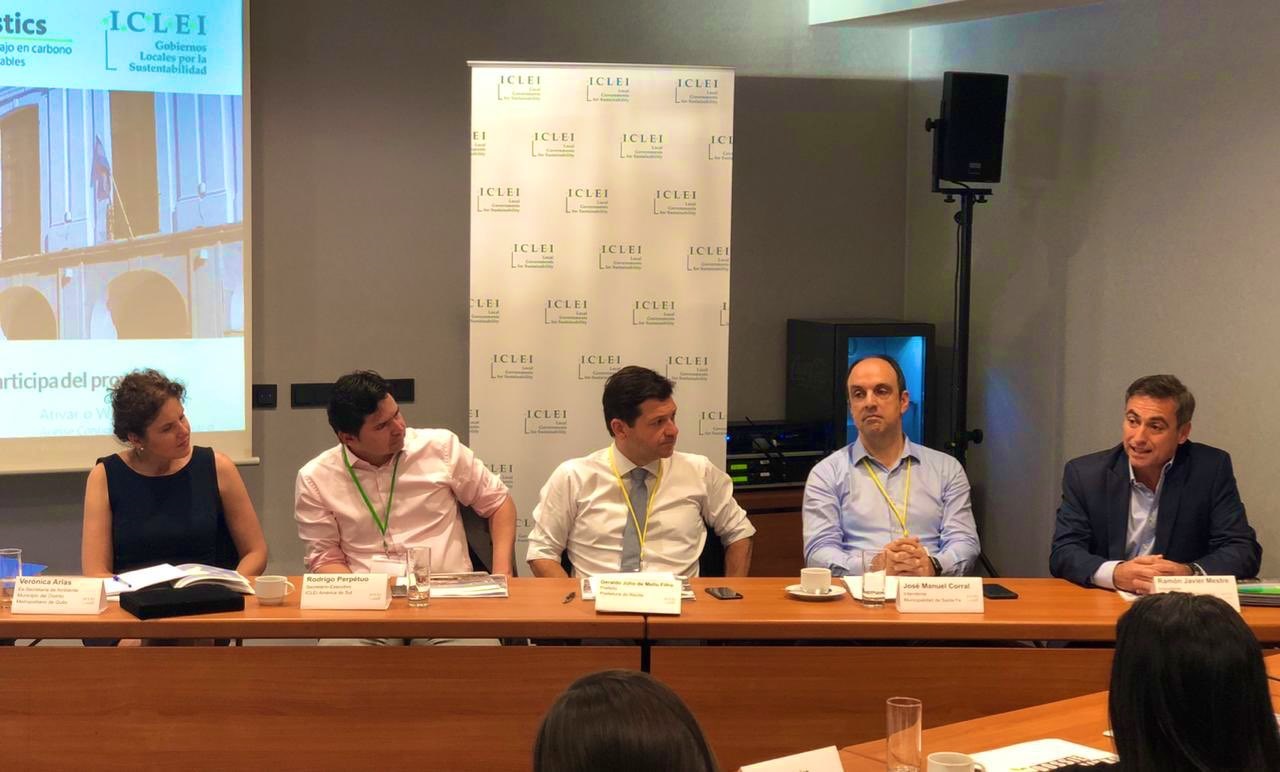
In 2019, Córdoba was selected to participate in the EcoLogistics project: Low Carbon Freight Transport for Sustainable Cities, which led to the creation of its Local Working Group. This project aims to promote more efficient and sustainable freight transport in the city, reducing carbon emissions and improving air quality.
As part of its sustainability efforts, in 2020 Córdoba developed the Greenhouse Gas (GHG) Emissions Baseline report, which allows it to have a clear view of its current situation and establish targets and strategies to reduce its carbon footprint.
In addition to its commitment to sustainability, Córdoba also has a rich history. The city was founded on July 6, 1573, and celebrates its anniversary on that date.





 Português do Brasil
  Español
 English (UK)